
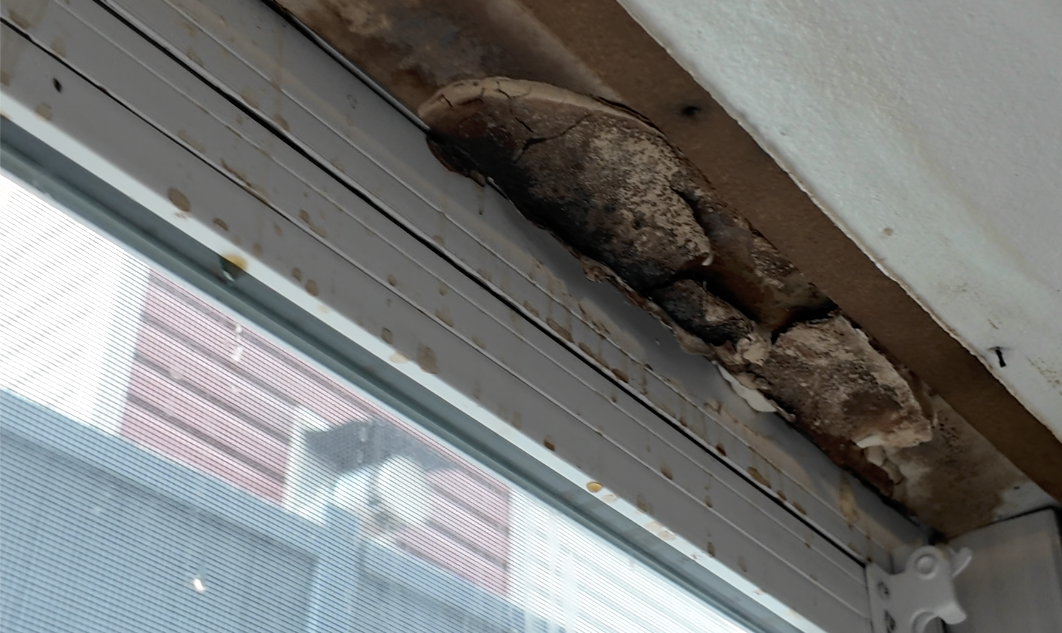
If your window is leaking during heavy rain — especially rain hitting at an angle — the instinct is to blame the window. In most cases, though, the product isn’t the problem. The installation is.
Flashing is the barrier that directs water away from the rough opening and down behind the exterior cladding, rather than into your wall cavity. If it’s missing, cut short, or installed in the wrong order relative to the house wrap, water finds a way in — sometimes immediately, sometimes only during a specific wind direction that pushes rain up and under the sill.
A common mistake is sealing gaps with caulk on the interior or along the bottom exterior edge, both of which can trap water inside the wall rather than letting it drain. Proper installs leave a drainage path at the sill and seal at the top and sides — never fully sealed at the bottom.
On exposure-heavy elevations (south and west-facing walls in Calgary take the brunt of wind-driven rain), a sloped sill pan under the window gives any water that does get past the exterior seal somewhere to go besides your drywall.
Don’t just re-caulk the outside and hope. Water stains, soft drywall, or musty smells near a window frame usually mean water has already tracked into the wall assembly, and covering the symptom won’t stop the source. A proper diagnosis means checking the flashing and sill pan, not just the visible seal.
If you’re getting quotes for a repair or replacement, ask specifically how the installer handles flashing and sill drainage on your wall type — the answer tells you a lot about the quality of the rest of the job.